If an appraisal on your Evergreen offer has ever come back lower than expected, or a listing you loved got compared to a home that shared nothing but a zip code, you've already bumped into the problem this post is about. Evergreen's median price gets quoted like it describes one neighborhood. It doesn't. It's an average of two very different housing products that happen to share a name, a school district boundary, and very little else. And right now, a $600 million transit project under construction is about to widen the gap between them in a direction most buyers wouldn't guess.
One Zip Code Name, Two Different Neighborhoods
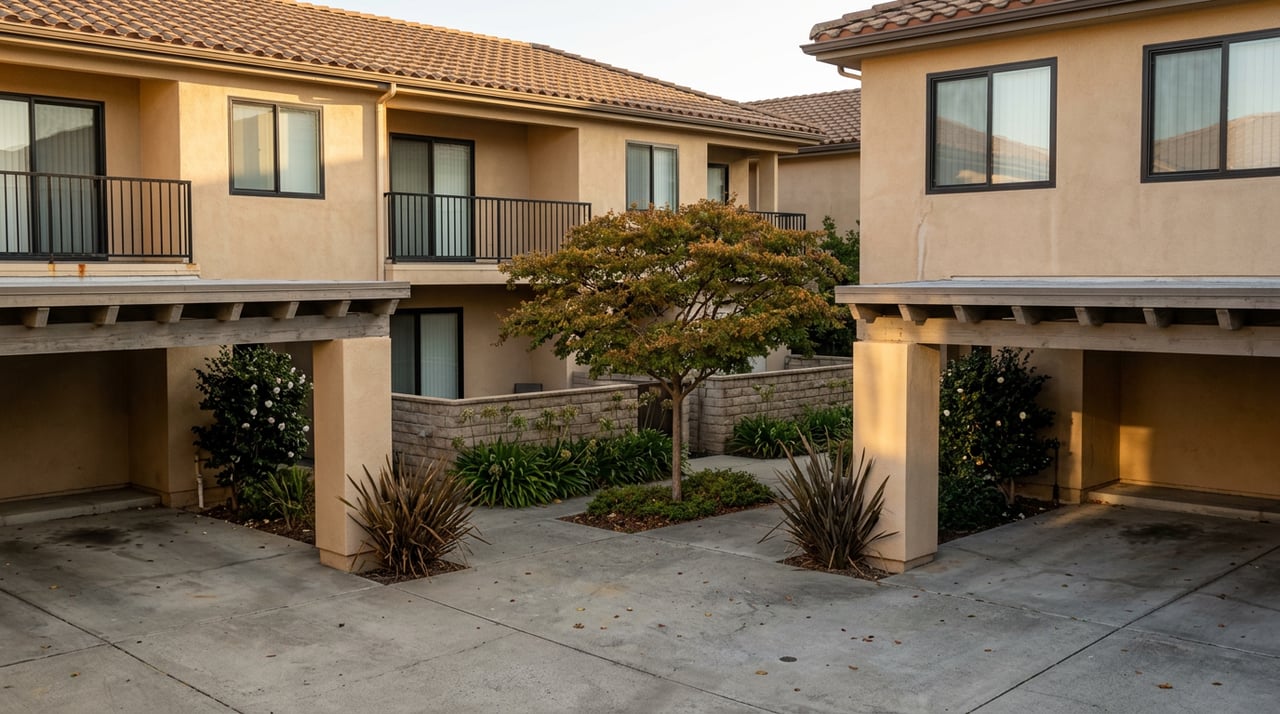
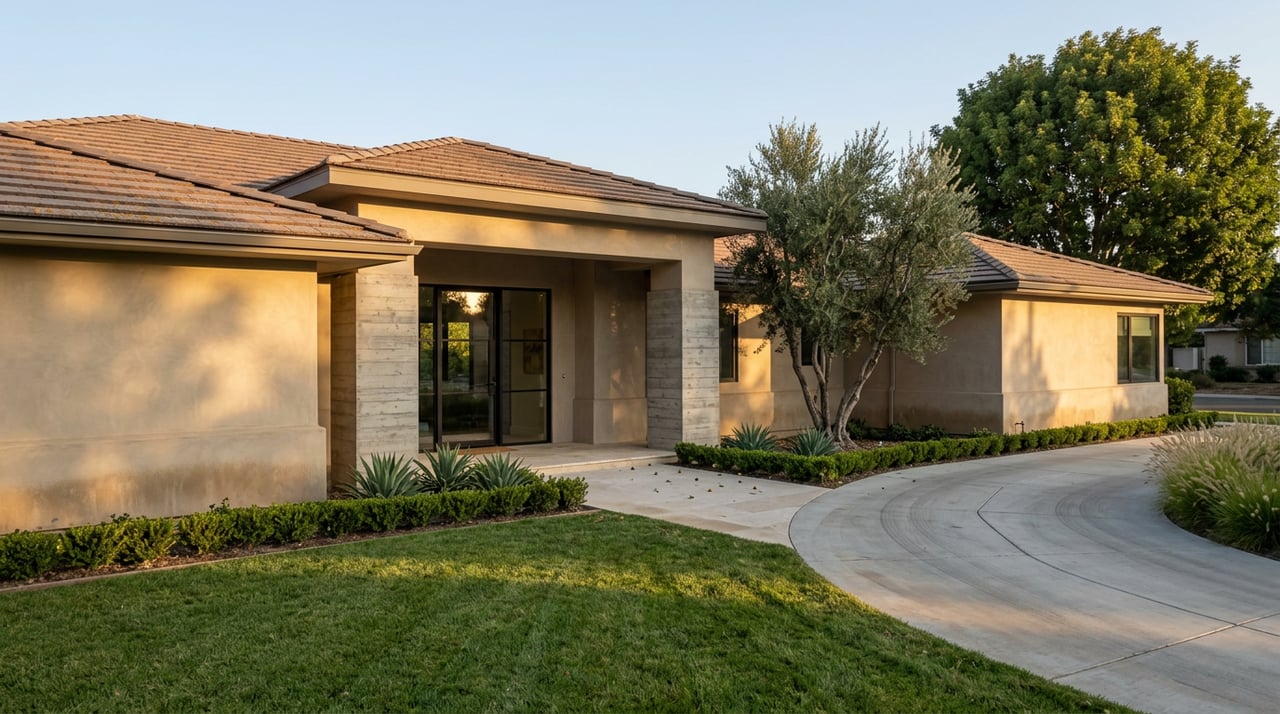
Evergreen stretches across San Jose's southeast side, covering zip codes 95148, 95121, 95135, a slice of 95138, and a sliver of 95111. Drive through it and you'll notice the split immediately. Closer to Eastridge Center and Reid-Hillview Airport, the streets are flatter, the lots are smaller, and the housing stock leans toward tract homes built from the 1970s through the early 2000s. Head south and east toward the foothills, and the picture changes: larger parcels, valley views, and entire communities built around golf, including The Villages Golf & Country Club, a 55-plus master-planned community, and The Ranch Golf Club, with custom-built neighborhoods like Evergreen Valley Estates filling in the higher ground.
Both halves get folded into the same "Evergreen" median every time someone pulls a market report. That's the first thing to understand before you anchor a pricing strategy or an offer to that number.
| Flatland Evergreen (near Eastridge, Reid-Hillview) | Foothill and Golf Evergreen (Villages, Ranch Golf Club, Evergreen Valley Estates) | |
|---|---|---|
| Typical lot feel | Smaller, closer-set tract lots | Larger parcels, more separation between homes |
| Commute pattern | Flat streets, closer to Capitol Expressway and Tully Road | Hillier, more car-dependent, farther from freeway access |
| Community structure | Standard single-family tracts, mixed condo and townhome inventory | HOA-governed golf and retirement communities with membership or club dues layered on top of a mortgage |
| What's arriving by 2028-2029 | A new light rail connection to BART | No planned transit expansion |
What the Headline Median Actually Blends
Pull up Evergreen's current numbers and you'll see a median sale price around $1.6 million over the three months ending in May 2026, up roughly 1.9 percent from the same stretch a year earlier, with a median price per square foot near $836. The average house price came in at $1.54 million in May 2026, down about 0.6 percent from a year earlier. Homes were going pending in about 17 days on average, drawing roughly two offers apiece, and 173 homes closed in May 2026 compared with 154 the year before.
Those numbers are accurate. They're also a blend. A three-bedroom tract home a half mile from Eastridge Center and a custom-built house on a view lot inside The Ranch Golf Club both get counted in the same pool, even though they're not competing for the same buyer, the same lender comfort zone, or the same long-term outlook. When the median moves a percentage point in either direction, you can't tell from the headline whether that shift happened in the flatland tracts, the golf communities, or somewhere in between. You have to ask which side of Evergreen the sale actually happened on, and that's the question most portal-level market summaries never bother to answer.
The Construction Project Reshaping One Side of That Median
Here's the part that changes how you should read all of this. The Santa Clara Valley Transportation Authority broke ground in June 2024 on the Eastridge to BART Regional Connector, a 2.4-mile extension of VTA's Orange Line that will run from the existing Alum Rock station, through a new elevated station at Story Road, to a rebuilt terminus at the Eastridge Transit Center. From there, riders will connect directly to BART at the Milpitas station, opening a one-transfer path into the rest of the Bay Area's rail network. As of September 2025, the project's construction manager put the work at roughly 45 percent complete. VTA's own updates have put revenue service at 2028 in some materials and 2029 in others, so the honest answer right now is late this decade, not a fixed date.
This line runs directly through the flatland side of Evergreen, the same tracts near Eastridge Center and Reid-Hillview that third-party market guides routinely describe as the more modest, more affordable half of the neighborhood. It does not reach the golf course communities in the foothills. Those neighborhoods will keep their space, their views, and their club amenities, but they will not get a rail connection to BART. The infrastructure investment is landing on the side of Evergreen currently priced as the entry point, not the side priced as the premium.
Why That Cuts Against the Obvious Story
The instinct in most housing markets is to treat distance from a mall and proximity to an airport as a discount, and distance from both as a premium. That instinct is exactly why this matters. A transit connection that shortens the commute into San Jose's tech corridor and links directly to BART is the kind of amenity that typically shows up in the pricier half of a market, not the flatter, more modest half. Evergreen is getting that sequence backward. The flatland tracts, priced today as the practical, lower-cost option, are the ones gaining a fixed rail connection. The golf course foothills, priced as the aspirational upgrade, are not.
That doesn't mean the flatland side will out-price the foothills, and it doesn't mean you should treat a future train station as a guaranteed return. Infrastructure timelines slip, and a light rail stop is one input among many. What it does mean is that the assumption baked into most buyer thinking, that the cheaper side of Evergreen is cheaper because it offers less, deserves a second look. Right now it's cheaper and gaining a transit line the pricier side will never have.
The Wildcard Sitting in the Same Corridor
There's a second piece of this story worth knowing, even though it hasn't been decided. Reid-Hillview Airport, which sits inside this same flatland corridor, has been the subject of a closure debate that's run for years. Santa Clara County's outstanding FAA grant obligations keep the airport operating through at least 2031, and while county supervisors have voted to study and pursue paths toward earlier closure, no final decision has been made and the matter remains contested. If the airport eventually closes and its roughly 180 acres get redeveloped, that would be a second, separate catalyst layered on top of the transit line, in the same part of Evergreen. If it doesn't, the flatland corridor still gets its rail connection on its own. Either way, this is not a fact to price into an offer today. It's a fact worth knowing before you assume you understand everything already priced into that side of the neighborhood.
What to Actually Check Before You Write an Offer or List a Home
- Confirm which side of Evergreen your comps are pulling from. A comp near Eastridge Center and a comp inside The Villages should not be used to justify the same number.
- Ask how close a flatland property sits to the Story Road or Eastridge Transit Center station sites, not just to Capitol Expressway in general. Walking distance to a future stop is a different value proposition than a ten-minute drive to it.
- Read the HOA and club documents in full for any golf community listing. Dues, assessments, and membership requirements in places like The Villages or The Ranch Golf Club sit on top of the mortgage payment and change the real monthly cost.
- Separate single-family comps from condo and townhome comps. Evergreen's condo and townhome inventory has moved differently than its single-family stock, and blending the two muddies any pricing conversation.
- Don't treat the transit timeline as fixed. Plan around 2028 or 2029 as a range, not a date you can count on for a specific closing or resale window.
A Few Questions We Hear Often
Is the Eastridge to BART light rail extension actually funded and under construction, or is this still a proposal? It's under construction. Groundbreaking happened in June 2024, and VTA's project team reported the work at roughly 45 percent complete as of September 2025.
Does the light rail line reach the golf course side of Evergreen? No. The alignment runs along Capitol Expressway through the flatland corridor near Eastridge Center and Reid-Hillview. The Villages, The Ranch Golf Club, and the surrounding foothill tracts are not on this line.
Is Reid-Hillview Airport definitely closing? Not definitely. The county's federal grant obligations keep it operating through at least 2031, and while officials have voted to move toward a possible earlier closure, no final decision has been made.
Should I wait to buy in flatland Evergreen until the train opens? That's a personal timeline question more than a market one, and it depends on your financing, your patience for construction noise in the interim, and how you weigh a multi-year infrastructure timeline against your current housing need. It's worth talking through with someone who knows both halves of this neighborhood before you decide.
Evergreen was never one market, and the next few years are going to make that harder to ignore, not easier. If you're trying to figure out which side of this neighborhood actually fits what you're looking for, or how to price a listing so it doesn't get lost in a median that doesn't describe it, the team at Pauline & Jacob David has spent years reading Evergreen block by block, not just zip code by zip code. Get a free home valuation and let's talk about which half of Evergreen your next move should be in.